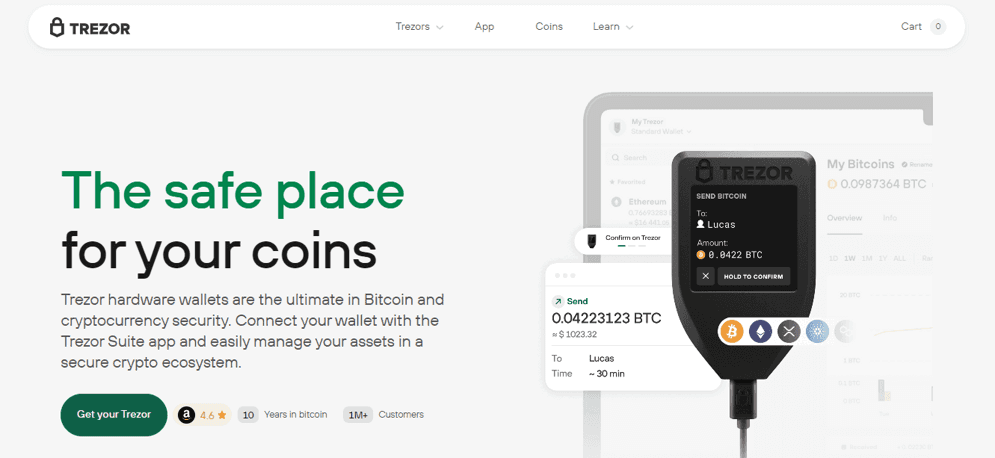
Trezor.io/start – A Secure Beginning for Trezor Hardware Wallet Users
As digital currencies continue to grow in popularity, more people are choosing to take direct ownership of their assets. Cryptocurrency allows users to control their funds without relying on banks or third parties. However, this independence also means that security is entirely the user’s responsibility. There are no password resets or transaction reversals in crypto. For this reason, choosing the right storage method is critical.
Hardware wallets are widely recognized as one of the safest solutions for long-term crypto storage, and Trezor is a pioneer in this space. To help users begin safely, Trezor provides an official setup page called Trezor.io/start. This page ensures that new users configure their wallet correctly and follow best security practices from the very beginning.
What Is Trezor.io/start?
Trezor.io/start is the official onboarding portal created by Trezor for its hardware wallets, including Trezor Model One and Trezor Model T. It is designed to guide users through the initial setup process using verified tools and clear instructions.
From this portal, users are able to:
Download and install Trezor Suite, the official wallet interface
Initialize a new Trezor hardware wallet
Create a PIN to protect the device
Generate and securely back up a recovery seed
Begin managing cryptocurrency with confidence
Because fake wallet software and phishing websites are common, starting at Trezor.io/start helps ensure users are interacting only with authentic Trezor resources.
Why Trezor.io/start Is Essential
Protection from Fake Software
One of the biggest risks in the crypto ecosystem is malicious software disguised as legitimate wallet applications. These fake programs are designed to steal recovery seeds or redirect transactions. Trezor.io/start directs users only to Trezor Suite, the official software supported by Trezor, reducing the risk of installing harmful applications.
Trezor Suite acts as a control center for managing assets, while private keys remain securely stored inside the hardware wallet.
Guided Setup That Reduces Errors
Even the most secure hardware wallet can be compromised by improper setup. Trezor.io/start provides a structured, step-by-step process that ensures users complete essential actions such as firmware verification, PIN creation, and recovery seed backup.
This guided approach is especially useful for first-time hardware wallet users who may be unfamiliar with security best practices.
Built-In Security Awareness
Trezor.io/start emphasizes key security principles during setup, such as keeping the recovery seed offline and recognizing phishing attempts. Understanding these rules early helps users protect their assets long after setup is complete.
Step-by-Step Overview of the Trezor Setup Process
Step 1: Prepare Before Starting
Before beginning setup, make sure you have:
Your Trezor hardware wallet
A computer with a stable internet connection
Paper or a metal backup to record your recovery seed
Never store your recovery seed digitally. Offline storage significantly reduces the risk of theft.
Step 2: Access Trezor.io/start
Open your web browser and manually type Trezor.io/start into the address bar. Avoid clicking links from emails, advertisements, or social media posts. Once on the page, choose your Trezor model to view setup instructions tailored to your device.
Step 3: Install Trezor Suite
Trezor Suite is the official application used to manage your Trezor wallet. With Trezor Suite, users can:
Send and receive supported cryptocurrencies
Monitor balances and transaction history
Manage multiple accounts
Perform secure firmware updates
Trezor Suite never stores private keys. All sensitive actions must be confirmed directly on the Trezor device.
Step 4: Initialize the Trezor Device
After connecting your device, Trezor will guide you through initialization:
Verify or install the latest firmware
Create a PIN code to secure the device
Generate a recovery seed (12, 18, or 24 words, depending on your settings)
The recovery seed is displayed only once. Write it down carefully, in the correct order, and store it in a secure offline location.
Step 5: Confirm the Recovery Seed
To ensure accuracy, the device will ask you to confirm selected words from your recovery seed. This step verifies that your backup is correct and can be used to restore your wallet if necessary.
Step 6: Add Cryptocurrency Accounts
Once setup is complete, Trezor Suite allows users to add accounts for supported cryptocurrencies such as Bitcoin, Ethereum, Litecoin, and others. You can now receive funds, send transactions, and manage your portfolio securely.
All transactions require confirmation on the Trezor device, keeping private keys isolated from internet-connected environments.
Best Security Practices for Trezor Users
Using a hardware wallet effectively requires ongoing attention to security. Trezor users should always:
Keep the recovery seed private and stored offline
Verify transaction details on the device screen
Keep Trezor Suite and firmware up to date
Ignore unsolicited messages requesting wallet information
Trezor support will never ask for your recovery seed or PIN.
Why Trezor.io/start Matters
Trezor.io/start is more than a setup page—it establishes the foundation for safe and responsible crypto ownership. By following the official onboarding process, users significantly reduce the risk of phishing attacks, counterfeit software, and configuration errors.
The portal also reinforces the importance of long-term security habits, helping users protect their assets well beyond initial setup.
Conclusion
Trezor.io/start is the safest and most reliable way to begin using a Trezor hardware wallet. By following the official instructions, users can install Trezor Suite securely, protect their recovery seed, and manage cryptocurrency with confidence.